In Episode 19 of The Ultimate Trumpet Podcast, Adam and Bella dig into one of the most legendary figures in orchestral brass history: Adolph "Bud" Herseth, principal trumpet of the Chicago Symphony Orchestra for 53 years. Based on Michael Droste's article "Adolph Herseth and the Chicago Sound: What Made His Tone Unmistakable" from TrumpetStudio.com, this episode goes well beyond the mythology to look at what Herseth actually did, what he actually taught, and what players at every level can take from his approach.
Michael Droste was part of the Chicago brass world during the years Herseth was still actively playing and attended a Herseth master class in person. What's in this episode isn't secondhand legend — it's the real story from someone who was there.
What We Cover in This Episode:
- What the Chicago Sound Actually Was — Not just loud. Core density, cross-register evenness, and command. The distinction between a sound defined by size and a sound defined by character — and why that difference matters.
- The Physical Foundation — Why Herseth was reluctant to talk mechanics, and what we can piece together anyway: a firm but non-rigid embouchure, no high-pressure squeezing in the upper register, and air use that connected directly to Arnold Jacobs' "Song and Wind" philosophy.
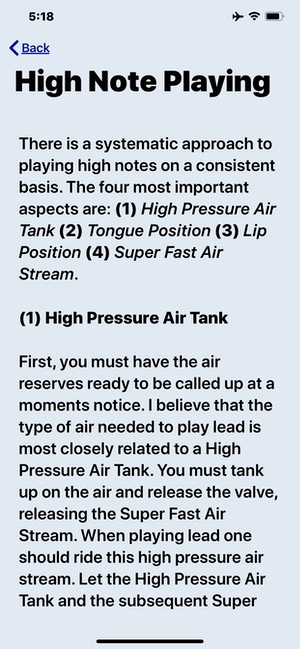
- Air as the Engine — The single most important technical principle behind Herseth's playing. The embouchure doesn't produce sound — the air does. Players who reverse that priority are working against the instrument.
- The Mouthpiece Story — Herseth's famous Bach 1C / Schilke hybrid, the "1CH" screw-rim design Michael Droste owns, and the crucial lesson about why hunting for a legendary player's mouthpiece is almost always the wrong move.
- What He Said at the Master Class — Thinking in phrases, not notes. Music telling the body what to do, not the other way around. Two ideas from one afternoon that are worth writing down.
- The Tuba Mouthpiece Warmdown — The post-concert practice Herseth recommended to new CSO players. The kind of practical knowledge that lives inside professional orchestras and doesn't make it into method books.
- The Larger Legacy — What a 53-year career at the highest level actually demonstrates about technique, musicianship, and what the trumpet can sound like when everything is working.
Key Takeaway:
Technique is in service of music — not the other way around. Everything Herseth did physically was oriented toward a musical result. He was never practicing technique for its own sake. He was always practicing music. That's the lesson that doesn't age.
Practical Takeaways for the Practice Room:
- Think in phrases, not notes. The instrument will pull your attention toward individual events — actively work against that.
- Let the music determine the physical approach, not the reverse. Start with the phrase and its character, and let the body follow the imagination.
- Keep the air moving through the horn, not pushed against the mouthpiece. There's a difference you can hear.
- Warm down after intense playing. A few minutes of buzzing on a large mouthpiece at low resistance helps the lip tissue release tension and recover more completely.
- Be skeptical of gear as a solution. The mouthpiece serves the sound. It doesn't create it.
Resources Mentioned in This Episode:
- The Ultimate Warm Up Book for Trumpet
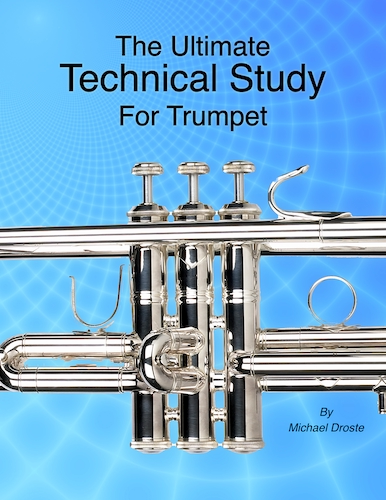
- The Ultimate Technical Study for Trumpet
- The Ultimate Wedding Book for Trumpet
All available at TrumpetStudio.com.
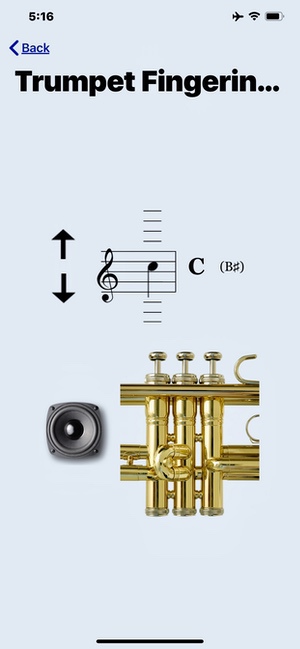
If you enjoy the podcast, please leave a rating and review on Apple Podcasts or Spotify — and check out the Trumpet Studio - Learn to Play app on the App Store.
Now go practice!!