
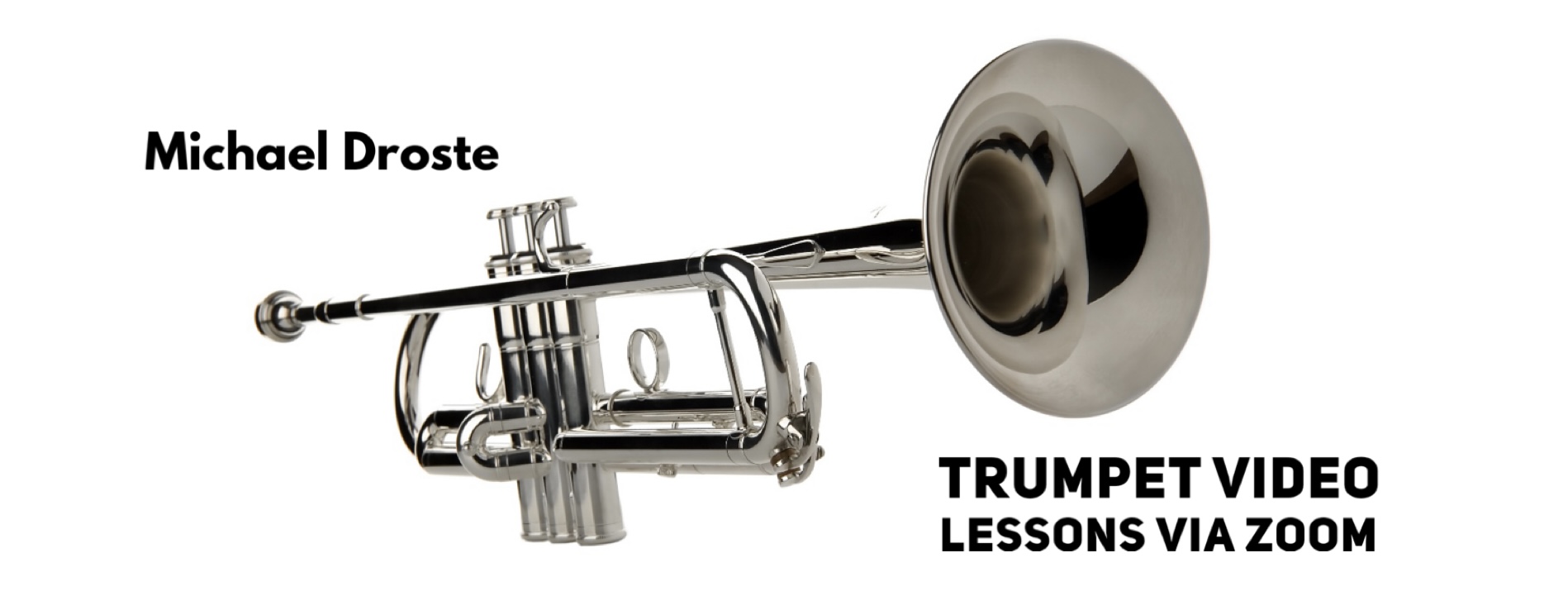
Welcome to TrumpetStudio.com
We have been a very popular site for trumpet players at all levels since 1996. Learn How to Play The Trumpet! Browse the free articles and check out the NEW Trumpet Musings Blog
My Goal:
I want to help you live and reach your trumpet playing dreams through articles, tips books, sheet music, mouthpieces, CD's and equipment ~ Mr. Droste
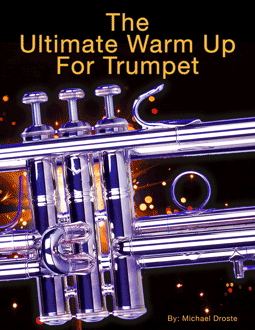
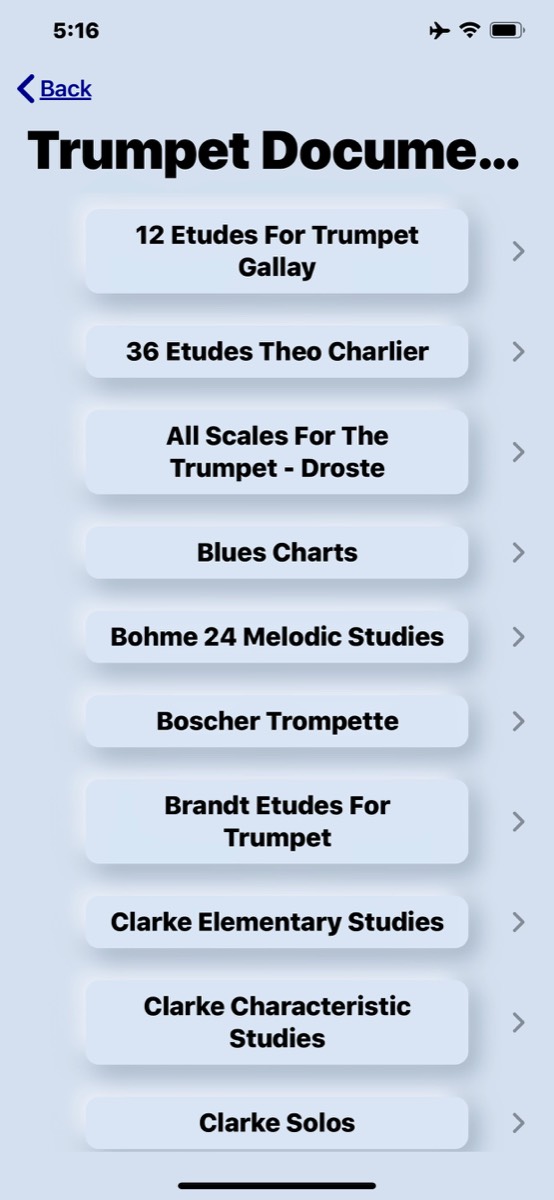
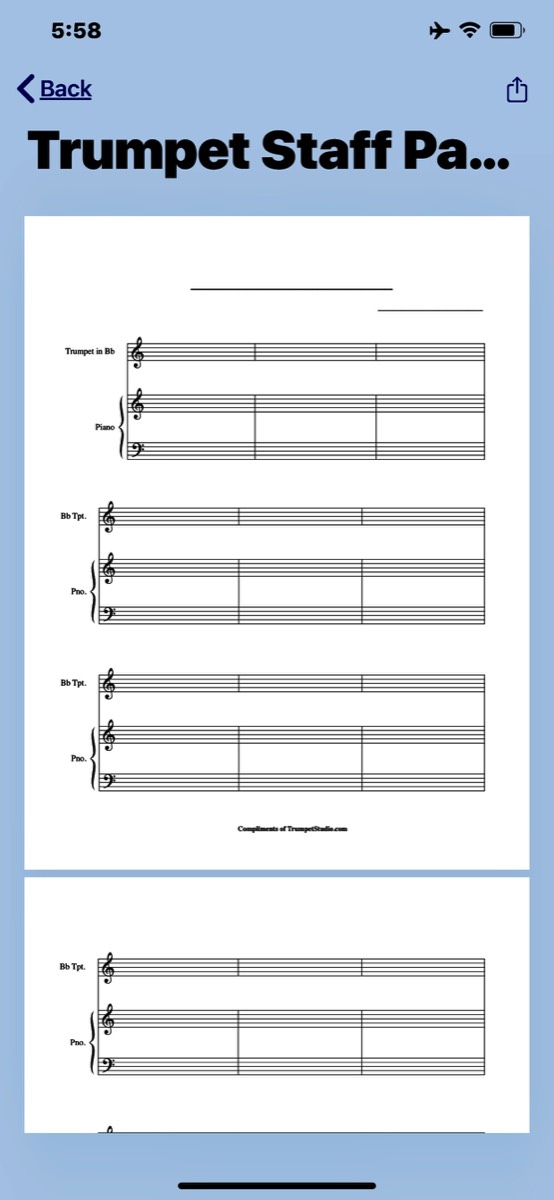
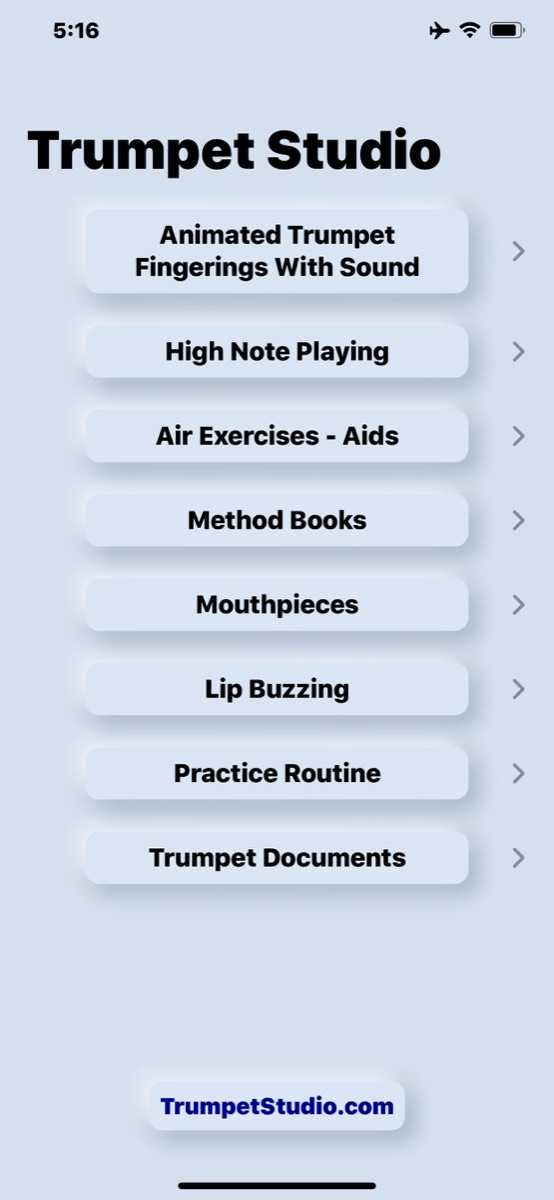
This is a great resource site for all trumpet players. Above, in the menu, are links to a variety of articles to improve your playing, along with a mouthpiece selection guide. (All of theWeb Articles are included in Chapter 10 of the Ultimate Warm-Up Book.) Here you will find trumpet midi files, free trumpet finger chart, free trumpet piano and trumpet blank score, free trumpet quintet blank sheet music. I have also reviewed new and used trumpets for those interested in purchasing a horn in the future. Take a look at the perming tips, and lip buzzing articles that will help with performing and richness of sound. For those learning how to play the trumpet, check out the beginner trumpet method books, on the the method books page.



Private Trumpet Lessons
Private Trumpet Lessons: Unlocking Your Full Musical Potential
Introduction:
Learning to play a musical instrument is a fulfilling and enriching experience. Among the many instruments available, the trumpet stands out for its brilliant sound and versatility. Whether you're a beginner or an intermediate player, private trumpet lessons can be instrumental in honing your skills and taking your playing to the next level. In this article, we will delve into the world of private trumpet lessons, exploring the benefits they offer, the structure of lessons, and the factors to consider when choosing a trumpet teacher.
Benefits of Private Trumpet Lessons:
Personalized Instruction: One of the most significant advantages of private trumpet lessons is the individual attention and personalized instruction you receive. Unlike group classes, private lessons allow the teacher to focus exclusively on your strengths, weaknesses, and specific goals. This personalized approach ensures that you progress at your own pace and receive tailored guidance to address your unique challenges.
Technique Development: The trumpet is a demanding instrument that requires precise technique and control. Private trumpet lessons provide a dedicated space for focusing on technique development. A skilled teacher will guide you through various exercises and drills, helping you refine your embouchure, breath control, fingering, and overall trumpet technique. Through consistent practice and guidance, you'll build a solid foundation and improve your playing ability.
Repertoire Expansion: Private trumpet lessons open up a world of musical possibilities. Your teacher can introduce you to a wide range of musical genres and repertoire suitable for your skill level. Whether you're interested in classical, jazz, pop, or any other genre, private lessons offer the flexibility to explore different styles and develop your musical taste. Your teacher can also help you select appropriate pieces that challenge and inspire you, ensuring continuous growth and motivation.
Performance Preparation: If you have aspirations of performing on stage, private trumpet lessons are invaluable in preparing you for public performances. Whether it's a solo recital, an ensemble performance, or an audition, a trumpet teacher can guide you through the necessary steps to excel in these situations. They can offer advice on stage presence, interpretation, musical expression, and dealing with performance anxiety, equipping you with the confidence and skills needed to shine on stage.
Feedback and Guidance: During private trumpet lessons, you receive immediate feedback and guidance from an experienced professional. This ongoing interaction allows you to correct mistakes, develop good playing habits, and refine your musical interpretation. Your teacher will identify areas that need improvement, offer suggestions for practice routines, and help you set achievable goals. This consistent feedback loop is essential for steady progress and helps you stay motivated throughout your musical journey.
Structure of Private Trumpet Lessons:
The structure of private trumpet lessons can vary depending on the teacher, student's level, and individual goals. However, most lessons follow a similar framework:
Warm-Up and Fundamentals: Every lesson typically begins with a warm-up routine to prepare your muscles and get your embouchure ready for playing. This may include lip slurs, long tones, scales, and other exercises to improve flexibility, tone production, and breath control. The focus is on building a strong foundation of technique and ensuring a good sound quality.
Repertoire Study: After the warm-up, the lesson progresses to the study of repertoire. This can involve working on specific pieces, etudes, or excerpts from different musical styles. The teacher will guide you through the music, addressing technical challenges, phrasing, musical expression, and interpretation. They may also introduce sight-reading exercises to improve your reading skills.
Technical Exercises: Alongside repertoire study, technical exercises play a crucial role in private trumpet lessons. These exercises target specific technical aspects such as articulation, finger dexterity, range extension, and endurance. By practicing these exercises regularly, you'll develop greater control and flexibility on the instrument.
Music Theory and Ear Training: Private trumpet lessons often incorporate elements of music theory and ear training. Understanding music theory concepts like scales, intervals, chords, and progressions enhances your overall musicianship. Ear training exercises, such as identifying intervals, chord qualities, and melodic dictation, sharpen your ability to recognize and reproduce musical patterns by ear.
Practice Strategies and Homework: Towards the end of each lesson, your teacher will provide you with specific practice strategies and assignments for the week ahead. These assignments are designed to reinforce the concepts covered in the lesson and ensure consistent progress. They may include specific technical exercises, passages from repertoire, or sight-reading assignments. Practicing regularly and efficiently between lessons is crucial for improvement.
Choosing a Trumpet Teacher:
Selecting the right trumpet teacher is essential for a fruitful and enjoyable learning experience. Here are some factors to consider when choosing a trumpet teacher:
Experience and Qualifications: Look for a teacher with a solid educational background and relevant experience in teaching and performing. A professional musician or a music teacher with a trumpet specialization can provide you with the necessary guidance and insights to progress effectively.
Teaching Style and Personality: Each teacher has a unique teaching style, and it's crucial to find someone whose approach resonates with you. Consider your learning preferences – whether you thrive with a disciplined and structured approach or prefer a more relaxed and flexible atmosphere. The teacher's personality and communication style should foster a comfortable and encouraging learning environment.
Track Record and Student Feedback: Research the teacher's track record and inquire about their past students' achievements. Reading reviews or testimonials from current or former students can provide valuable insights into the teacher's teaching methods, effectiveness, and commitment to student growth.
Availability and Location: Consider the teacher's availability and the logistics of attending lessons. Determine whether in-person lessons or online lessons via video conferencing platforms are more convenient for you. Factor in your schedule and the feasibility of regular lessons with the teacher you choose.
Developing a Personal Connection: Building a strong rapport and connection with your trumpet teacher is crucial for a positive learning experience. A teacher who understands your musical aspirations, challenges, and learning style can provide tailored guidance and support. Look for a teacher who is patient, encouraging, and genuinely invested in your growth as a musician. A strong teacher-student relationship fosters trust and open communication, allowing you to express your concerns, ask questions, and seek guidance without hesitation.
Performance Opportunities and Ensemble Participation: Consider whether the trumpet teacher provides opportunities for performance and ensemble participation. Playing alongside other musicians in a group setting helps develop essential skills such as listening, blending, and ensemble playing. Participating in recitals, concerts, or even joining a community band or orchestra can enhance your musical experience and broaden your horizons as a trumpet player.
Cost and Commitment: Private trumpet lessons come at a cost, and it's essential to consider your budget and commitment level. Determine how much time and financial investment you're willing to allocate to your trumpet studies. Private lessons require regular practice and dedication, so ensure you have the time and commitment to make the most of the lessons you're investing in.
Seek Recommendations and Trial Lessons: Before committing to a trumpet teacher, seek recommendations from fellow musicians, music teachers, or online video lessons. They can provide insights and suggestions based on their experiences. Additionally, many teachers offer trial lessons or consultations, allowing you to get a feel for their teaching style and determine if it aligns with your goals and preferences.
Are there specific practice strategies and assignments for the week ahead? These assignments are designed to reinforce the concepts covered in the lesson and ensure consistent progress. They may include specific technical exercises, passages from repertoire, or sight-reading assignments. Practicing regularly and efficiently between lessons is crucial for improvement.
Goal Setting: A good trumpet teacher will help you set realistic and achievable goals based on your aspirations and skill level. Whether you want to join a local band, audition for a music school, or simply play for your own enjoyment, setting clear goals will keep you focused and motivated. Your teacher will assist you in breaking down these goals into smaller milestones and develop a roadmap for your musical journey.
Performance Opportunities: Private trumpet lessons often present opportunities for students to showcase their progress through performances. These can range from informal studio recitals to more formal concerts and competitions. Performing in front of an audience is a valuable experience that builds confidence, stage presence, and musicianship. Your teacher can help you select appropriate performance opportunities and guide you through the preparation process.
Musicality and Interpretation: Developing musicality and interpretation skills is an integral part of private trumpet lessons. A trumpet teacher can guide you in understanding the nuances of dynamics, phrasing, articulation, and expression in different musical styles. They will help you bring out the musical intentions of the composer and add your own personal touch to your playing.
Audition Preparation: If you aspire to join a school band, orchestra, or a professional ensemble, private trumpet lessons can greatly assist you in audition preparation. Your teacher can guide you through the specific requirements of auditions, provide strategies for sight-reading and technical passages, and offer mock auditions to simulate the experience. With their expertise, you can enter auditions feeling confident and well-prepared.
Continued Learning and Growth: Private trumpet lessons are not limited to a specific skill level or age group. Whether you're a beginner, intermediate, or advanced player, there is always room for growth and refinement. A trumpet teacher can continuously challenge you, introduce new concepts, and guide you towards more advanced techniques and repertoire. Lifelong learning is at the heart of private lessons, ensuring that your musical journey remains exciting and fulfilling.
Conclusion:
Private trumpet lessons offer a multitude of benefits for trumpet players of all levels. With personalized instruction, technical guidance, and repertoire exploration, these lessons can elevate your playing and help you reach your musical goals. When choosing a trumpet teacher, consider their experience, teaching style, track record, and availability. Additionally, prioritize developing a personal connection and seek opportunities for performance and ensemble participation. Finally, be mindful of your commitment level and budget when selecting a teacher. By investing in private trumpet lessons and embracing consistent practice, you'll unlock your full potential as a trumpet player and embark on an enriching musical journey.
Private trumpet lessons are a fantastic investment for anyone looking to improve their trumpet playing abilities. The personalized instruction, tailored guidance, and individual attention provided by a skilled trumpet teacher are invaluable in unlocking your full musical potential. Whether you're a beginner or an intermediate player, private lessons can help you develop proper technique, expand your repertoire, and prepare for performances. Remember to choose a teacher who aligns with your goals, and don't forget to practice regularly between lessons. Embrace the journey of learning the trumpet, and with dedication and guidance, you'll witness steady progress and find immense joy in playing this remarkable instrument.
Private Trumpet Lessons: Unlocking Your Full Musical Potential
Introduction:
Learning to play a musical instrument is a fulfilling and enriching experience. Among the many instruments available, the trumpet stands out for its brilliant sound and versatility. Whether you're a beginner or an intermediate player, private trumpet lessons can be instrumental in honing your skills and taking your playing to the next level. In this article, we will delve into the world of private trumpet lessons, exploring the benefits they offer, the structure of lessons, and the factors to consider when choosing a trumpet teacher.
Benefits of Private Trumpet Lessons:
Structure of Private Trumpet Lessons:
The structure of private trumpet lessons can vary depending on the teacher, student's level, and individual goals. However, most lessons follow a similar framework:
Choosing a Trumpet Teacher:
Selecting the right trumpet teacher is essential for a fruitful and enjoyable learning experience. Here are some factors to consider when choosing a trumpet teacher:
Conclusion:
Private trumpet lessons offer a multitude of benefits for trumpet players of all levels. With personalized instruction, technical guidance, and repertoire exploration, these lessons can elevate your playing and help you reach your musical goals. When choosing a trumpet teacher, consider their experience, teaching style, track record, and availability. Additionally, prioritize developing a personal connection and seek opportunities for performance and ensemble participation. Finally, be mindful of your commitment level and budget when selecting a teacher. By investing in private trumpet lessons and embracing consistent practice, you'll unlock your full potential as a trumpet player and embark on an enriching musical journey.
Private trumpet lessons are a fantastic investment for anyone looking to improve their trumpet playing abilities. The personalized instruction, tailored guidance, and individual attention provided by a skilled trumpet teacher are invaluable in unlocking your full musical potential. Whether you're a beginner or an intermediate player, private lessons can help you develop proper technique, expand your repertoire, and prepare for performances. Remember to choose a teacher who aligns with your goals, and don't forget to practice regularly between lessons. Embrace the journey of learning the trumpet, and with dedication and guidance, you'll witness steady progress and find immense joy in playing this remarkable instrument.

©Copyrighted 2022 Michael Droste Peoria IL
Trumpet Video Lessons Trumpet Lessons Trumpet Books Trumpet Studio Trumpet Email Trumpet teacher Trumpet Instructor Trumpet Books PDF Trumpet Voluntary Trumpet Wedding Music Trumpet Lessons How to play the Trumpet Trumpet Player Trumpet Oil Trumpet Buying a used trumpet trumpet mouthpieces playing for a performance trumpet mouthpiece size chart trumpet stands trumpet gig bags trumpet music trumpet method books trumpet technical study books trumpet lessons Trumpet Video Lessons Trumpet Lessons Trumpet Books Trumpet Studio Trumpet Email Trumpet teacher Trumpet Instructor Trumpet Books PDF Trumpet Voluntary Trumpet Wedding Music Trumpet Lessons How to play the Trumpet Trumpet Player Trumpet Oil Trumpet Buying a used trumpet trumpet mouthpieces playing for a performance trumpet mouthpiece size chart trumpet stands trumpet gig bags trumpet music trumpet method books trumpet technical study books trumpet lessons Trumpet Video Lessons Trumpet Lessons Trumpet Books Trumpet Studio Trumpet Email Trumpet teacher Trumpet Instructor Trumpet Books PDF Trumpet Voluntary Trumpet Wedding Music Trumpet Lessons How to play the Trumpet Trumpet Player Trumpet Oil Trumpet Buying a used trumpet trumpet mouthpieces playing for a performance trumpet mouthpiece size chart trumpet stands trumpet gig bags trumpet music trumpet method books trumpet technical study books trumpet lessons Trumpet Video Lessons Trumpet Lessons Trumpet Books Trumpet Studio Trumpet Email Trumpet teacher Trumpet Instructor Trumpet Books PDF Trumpet Voluntary Trumpet Wedding Music Trumpet Lessons How to play the Trumpet Trumpet Player Trumpet Oil Trumpet Buying a used trumpet trumpet mouthpieces playing for a performance trumpet mouthpiece size chart trumpet stands trumpet gig bags trumpet music trumpet method books trumpet technical study books trumpet lessons Trumpet Video Lessons Trumpet Lessons Trumpet Books Trumpet Studio Trumpet Email Trumpet teacher Trumpet Instructor Trumpet Books PDF Trumpet Voluntary Trumpet Wedding Music Trumpet Lessons How to play the Trumpet Trumpet Player Trumpet Oil Trumpet Buying a used trumpet trumpet mouthpieces playing for a performance trumpet mouthpiece size chart trumpet stands trumpet gig bags trumpet music trumpet method books trumpet technical study books trumpet lessons Trumpet Video Lessons Trumpet Lessons Trumpet Books Trumpet Studio Trumpet Email Trumpet teacher Trumpet Instructor Trumpet Books PDF Trumpet Voluntary Trumpet Wedding Music Trumpet Lessons How to play the Trumpet Trumpet Player Trumpet Oil Trumpet Buying a used trumpet trumpet mouthpieces playing for a performance trumpet mouthpiece size chart trumpet stands trumpet gig bags trumpet music trumpet method books trumpet technical study books trumpet lessons Trumpet Video Lessons Trumpet Lessons Trumpet Books Trumpet Studio Trumpet Email Trumpet teacher Trumpet Instructor Trumpet Books PDF Trumpet Voluntary Trumpet Wedding Music Trumpet Lessons How to play the Trumpet Trumpet Player Trumpet Oil Trumpet Buying a used trumpet trumpet mouthpieces playing for a performance trumpet mouthpiece size chart trumpet stands trumpet gig bags trumpet music trumpet method books trumpet technical study books trumpet lessons Trumpet Video Lessons Trumpet Lessons Trumpet Books Trumpet Studio Trumpet Email Trumpet teacher Trumpet Instructor Trumpet Books PDF Trumpet Voluntary Trumpet Wedding Music Trumpet Lessons How to play the Trumpet Trumpet Player Trumpet Oil Trumpet Buying a used trumpet trumpet mouthpieces playing for a performance trumpet mouthpiece size chart trumpet stands trumpet gig bags trumpet music trumpet method books trumpet technical study books trumpet lessons Trumpet Video Lessons Trumpet Lessons Trumpet Books Trumpet Studio Trumpet Email Trumpet teacher Trumpet Instructor Trumpet Books PDF Trumpet Voluntary Trumpet Wedding Music Trumpet Lessons How to play the Trumpet Trumpet Player Trumpet Oil Trumpet Buying a used trumpet trumpet mouthpieces playing for a performance trumpet mouthpiece size chart trumpet stands trumpet gig bags trumpet music trumpet method books trumpet technical study books trumpet lessons