|
|
|
|
|
|
|
 |
|
 |
|
 |
|
 |
|
 |
|
 |
|
 |
|
 |
|
 |
|
 |
|
 |
|
 |
|
 |
|
 |
|
 |
|
 |
|
 |
|
 |
|
 |
|
|
 |
|
 |
|
 |
|
 |
|
 |
|
 |
|
 |
|
|
 |
|
| Trumpet Studio is about: Trumpet lessons and trumpet books by Michael Droste. Thousands of trumpet students worldwide helped from amateur to pro level have been helped through these articles and consultations. Articles on this site include: mouthpieces, range, practicing, lip buzzing, recordings, trumpet method books, equipment, oil, braces and issues, technical study, warm up routine, midi files, staff paper, trumpet scales, and finally work pages. Check out our trumpet lessons, our online trumpet lessons and our trumpet books. Trumpet playing, trumpet lessons, trumpet books. Trumpet Studio covers these topics: trumpet, trumpet playing, trumpet lessons, trumpet books, Stevens, Superchops, Maynard Ferguson, mouthpieces, Bach, Bill Chase, Callet, Schilke, Doc Severinsen, Yamaha, Maggio, embouchure, trumpet books, trumpeter, trumpeting, Marsalis, Louis Armstrong - Thanks for visiting TrumpetStudio.com - Michael Droste |
|
|
|
|
|
|
|
|
|
|
|
|
|
 |
TRUMPET LESSONS - FAQ |
FREQUENTLY ASKED QUESTIONS
Q. When should I begin Lessons?
A. Most children are ready by age 10-70. It is important to develop good habits from the beginning.
Q. How much should I practice?
A. Beginners should work up to aminimum 40 minute practice session (five days a week). Depending upon your age and goals, your practice time will vary.
Q. When should I arrive at the studio?
A. Always arrive 5 minutes before your scheduled time. What should I bring to every lesson? Your instrument, all appropriate music books, metronome, 40-70 page notebook, pens and pencils.
Q. What if I have to cancel my lesson?
A. To cancel a lesson and receive credit for that lesson, you must call 24 hours prior to your scheduled time. When this occurs, you will be given an opportunity to make up the lesson during the week. Except in the case of emergency, you are financially responsible for unexcused lessons. Please understand that each missed lesson breaks the continuity of the learning process and will inhibit your progress.
|
|
|
|
|
|
|
|
|
|
|
 |
|
|
|
|
 |
|
 |
|
|
 |
|
 |
|
|
 |
|
 |
|
The Trumpet
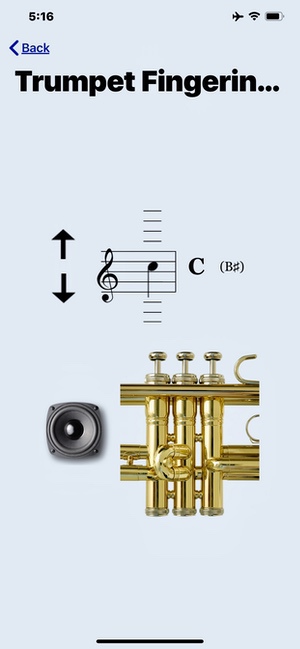
Trumpet [Fr. trompette; Ger. Trompete, It. tromba, Sp. trompeta]. A soprano brass instrument commonly about 1.4 m. (4 1/2 ft.) in tube length, folded twice to a narrow rectangular shape about 35 cm. (14 in.) long. The trumpet is the highest brass instrument in register, above the tuba, euphonium, trombone, sousaphone, and french horn. A person who plays the trumpet is called a trumpeter or simply, trumpet player. Its powerful tone is created by lip vibration against its cup-shaped mouthpiece. A trumpet consists of a cylindrical tube, shaped in a primary oblong loop that flares into a bell. The brass family can trace its ancestry back to herald trumpets, hunting horns, and military bugles. The valved trumpet was developed in the 1820s. Modern trumpets also have three piston valves as well as small, secondary tubing that act as tuning slides to adjust the tone. Most trumpet parts since about 1900 are written either for Bb trumpet, sounding one tone lower, or for C trumpet at concert pitch. Its brilliant sound has since made it indispensable in a wide variety of ensembles. |
|
|
|
|
|
|
|
|
|
|
|
|
|
|